Why "Made to Order" Might Be the Most Underrated Sustainability Idea in Fashion
The fashion industry's waste problem isn't really about fabric. It's about guessing wrong at scale. Made-to-order production fixes the guessing.
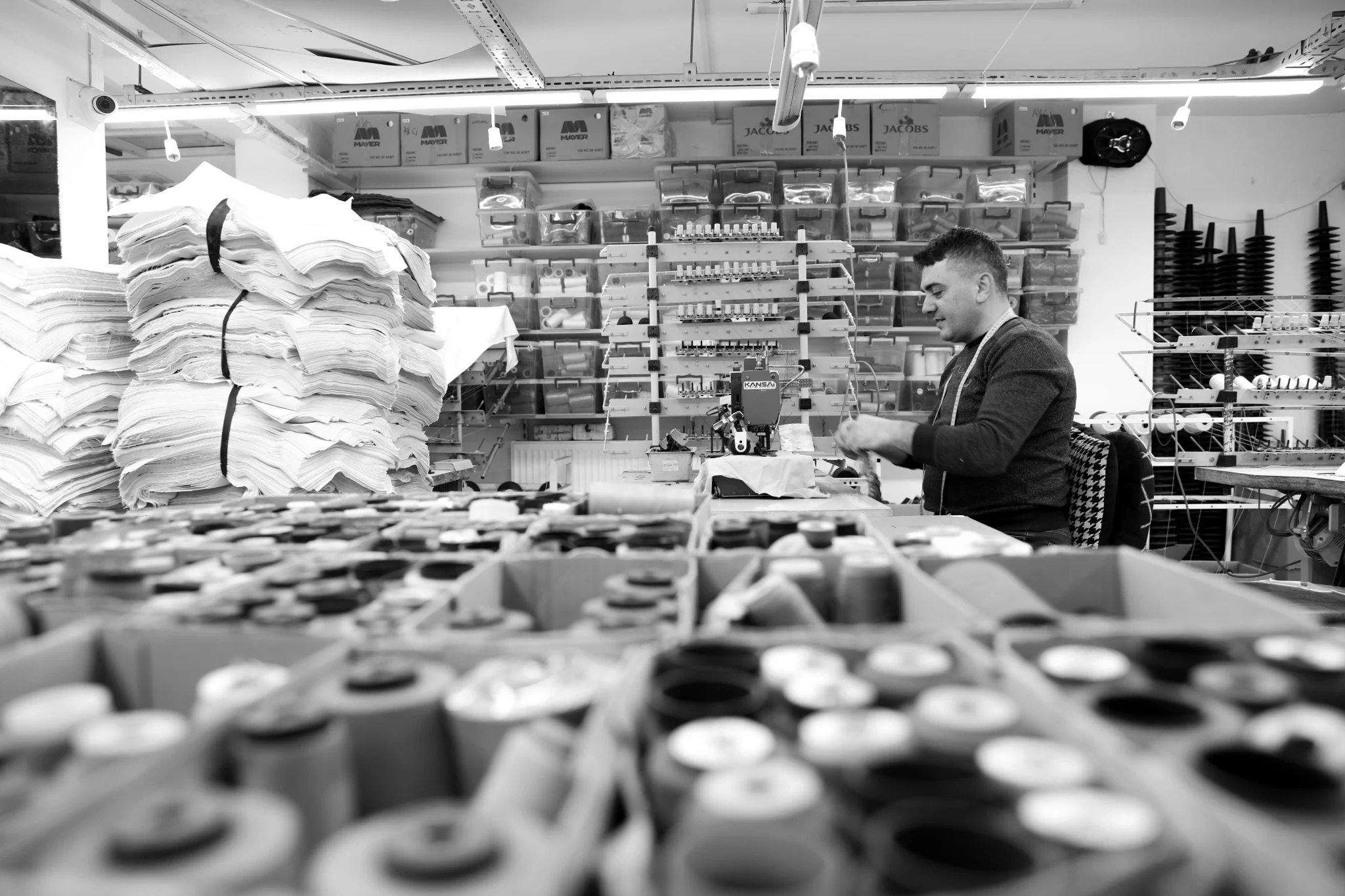
Most conversations about fashion sustainability focus on materials — organic versus synthetic, natural dye versus chemical. It's a real conversation, but it skips past a bigger structural problem hiding in plain sight: the industry's standard model is built on guessing how much of something will sell, producing it anyway, and living with the leftover.
That leftover has a name — deadstock — and it's a bigger environmental problem than most individual fabric choices combined. Speculative volume manufacturing means brands produce garments before knowing actual demand, which means some percentage of every production run, by design, doesn't get sold at the price or in the season it was made for. It gets discounted, warehoused, or in the worst cases, destroyed. All the water, dye, and labor that went into a deadstock garment was spent for nothing, regardless of how sustainably the fabric itself was sourced.
Made-to-order production flips that model. Instead of manufacturing a projected quantity and hoping demand matches the guess, garments get made after a customer has already committed to buying — which sounds like a small operational tweak but is actually a fairly radical rejection of how the industry has scaled for a century. It trades the efficiency of mass production for the elimination of speculative waste, and increasingly, digital tools — 3D body-scanning, digital pattern systems, on-demand cutting — are making that trade less painful than it used to be, closing the gap between "made to order" and "made reasonably fast."
India is unusually well positioned to lead on this, for reasons that have nothing to do with sustainability marketing. There's already a strong cultural comfort with custom and made-to-measure clothing here, driven by tailoring traditions and a genuine consumer preference among younger, urban buyers for personalized fit over off-the-rack sizing. The infrastructure and appetite for made-to-order already exist; sustainability, in this case, is riding on the back of a preference that was there for entirely different reasons.
The limitation is honest: made-to-order doesn't scale the way mass manufacturing does, and it will likely never replace fast fashion's price point or speed for the mass market. But as a model for the premium and craft-based end of Indian fashion — exactly the segment already leaning on handloom, embroidery, and other techniques that were never going to be mass-produced anyway — eliminating deadstock by simply not guessing in the first place might be the single most effective, least discussed sustainability lever the industry has.