India Didn't Invent Sustainable Fashion. It Just Forgot It Already Had One.
Khadi, organic cotton, natural dyes — the "sustainable wardrobe" being marketed as new is largely the traditional Indian wardrobe, rediscovered.
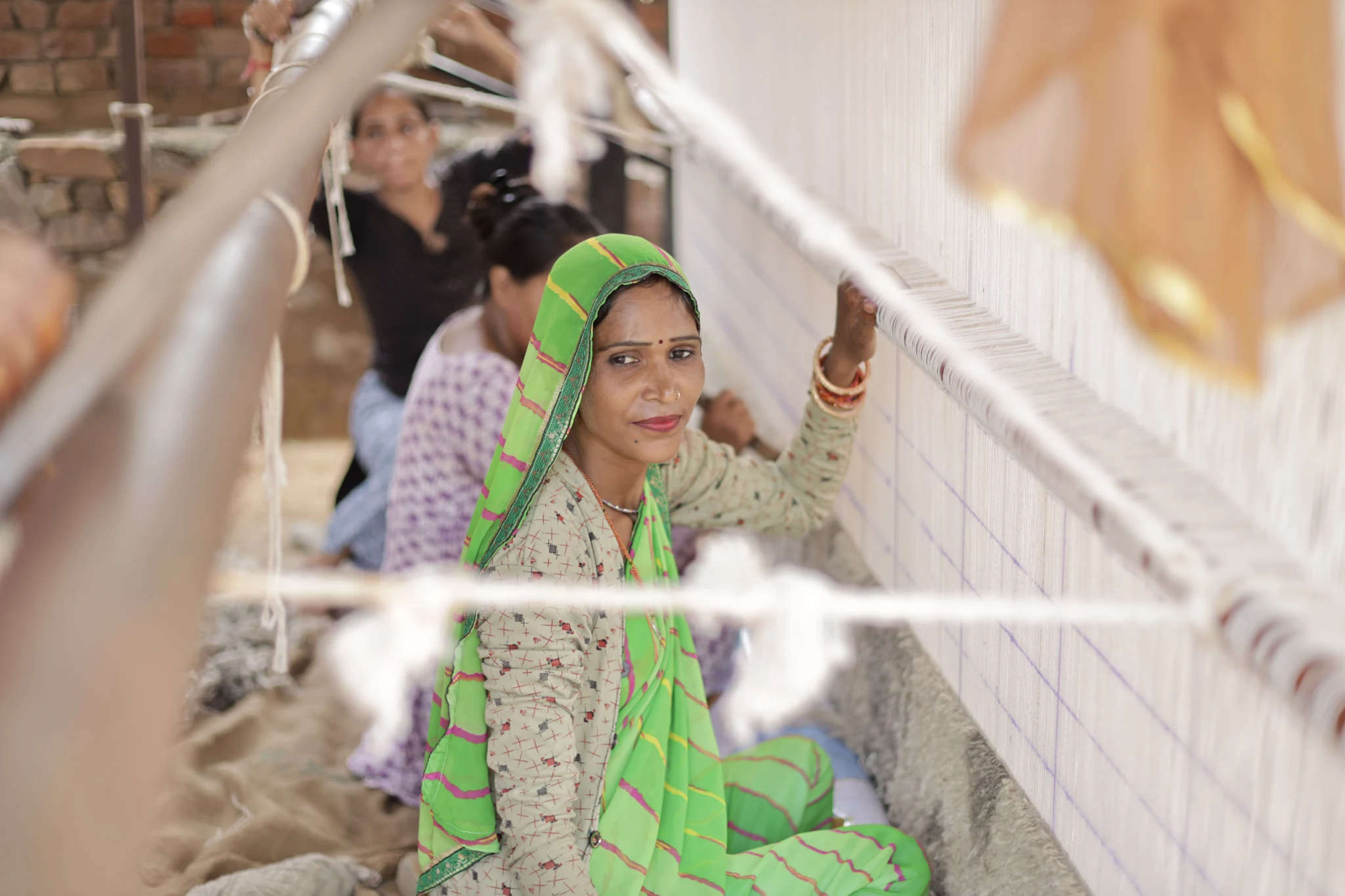
There's something faintly absurd about watching "sustainable fashion" get introduced to Indian consumers as an innovation, when the country's traditional wardrobe was doing most of what that label promises long before the word existed. Hand-spun khadi, naturally dyed cotton, handloom silk woven on a loom that uses no electricity — these weren't lifestyle choices adopted for environmental reasons. They were just how cloth got made, for centuries, before industrial textile production offered a cheaper, faster alternative and the old methods got rebranded as niche.
What's actually happening now isn't the invention of sustainable fashion in India — it's a reconnection. A generation of shoppers with more disposable income and more exposure to global conversations about textile waste and chemical runoff is circling back to fabrics their grandparents wore by default, except now they're reading GOTS certifications and organic-cotton labels to confirm what used to be assumed. The label is new. The cloth mostly isn't.
That distinction matters because it changes what "supporting sustainable fashion" should actually mean in an Indian context. In much of the global conversation, sustainability is framed around innovation — a new fiber, a new dye process, a new recycling technology. In India, a huge share of the most sustainable option available is simply the oldest one: khadi that breathes properly in Indian heat, organic cotton grown without synthetic pesticide runoff, natural dye pits that have operated in places like Kachchh for generations without needing a certification body to validate them.
This isn't an argument against innovation — plant-based fibers, water-efficient dyeing, and circular production models genuinely matter and are worth investing in. But there's a risk in a market that treats "sustainable" purely as a premium, innovation-coded category: it prices out exactly the traditional producers who were doing the sustainable thing all along, in favor of newer, better-marketed alternatives with bigger budgets for certification and packaging.
The honest sustainability story in Indian fashion right now has two tracks running simultaneously — genuine material innovation on one side, and a long-overdue re-valuing of traditional practice on the other. Both deserve support. But conflating them, or worse, treating only the innovation track as legitimate "sustainability," risks writing the artisans who never needed the memo out of the story their own practices made possible.