Are We Ever Really Able to Dress for Ourselves?
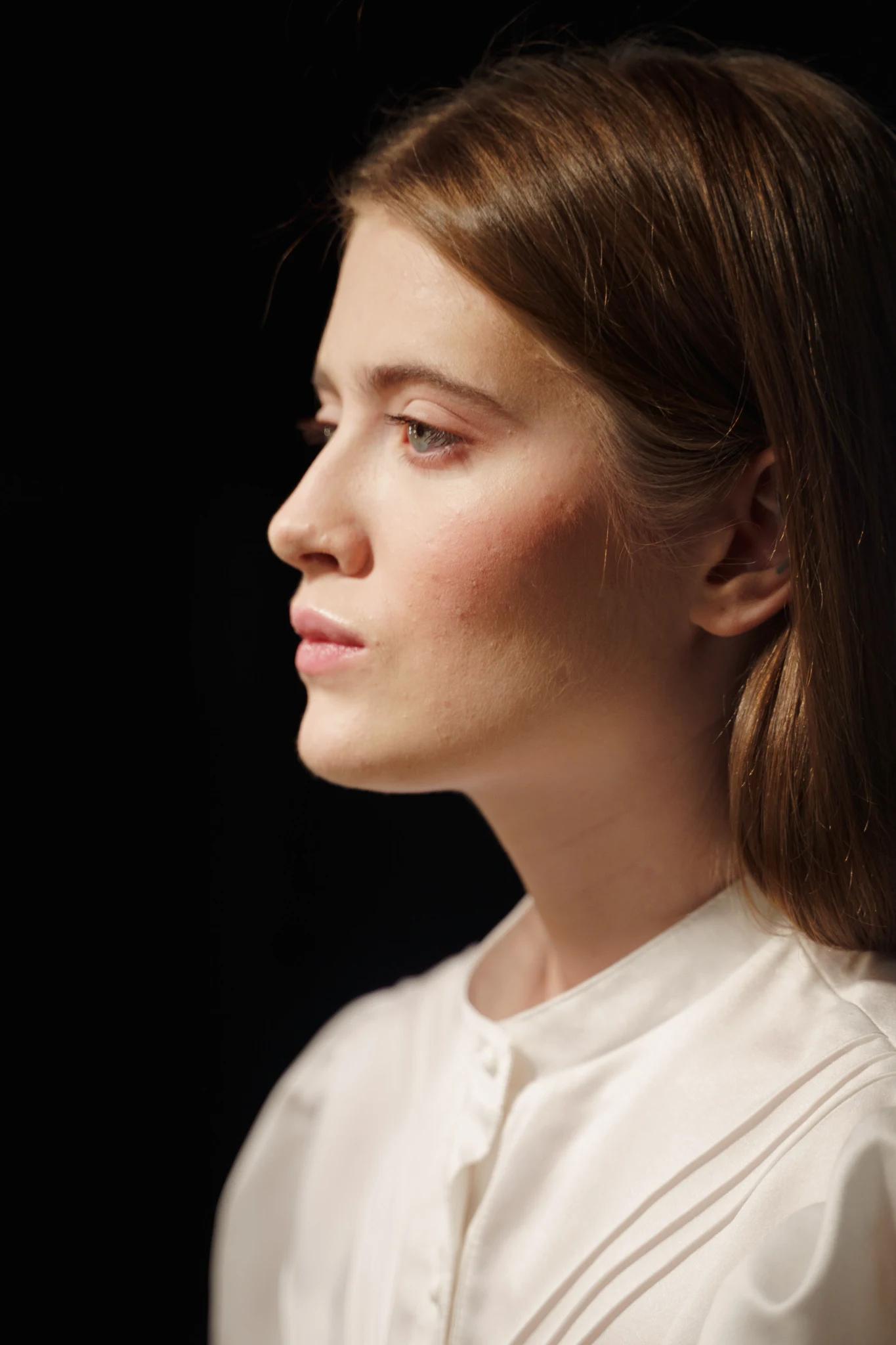
The idea of dressing for yourself sounds liberating. But can we ever separate our personal style from the people, places, and cultures that taught us what clothing means?
“Dress for yourself” is one of those pieces of fashion advice that sounds self-evidently liberating. Stop worrying about trends. Stop dressing for men. Stop dressing for other women. Wear what makes you feel good.
But are we ever really able to dress for ourselves? And what does that actually mean?
From the moment we become conscious of ourselves, we are subject to both explicit and implicit dress codes. If you were assigned female at birth, as I was, you are constantly receiving messages about what makes you an acceptable woman, and you learn the edges of those expectations quickly. As a young girl, you are expected to dress to be pretty, but never be too prim, lest you be labeled too girly. As a teenager, you must be feminine but not too sexy. As an adult woman, you are expected to be feminine but never so feminine that you will be dismissed as soft-headed or unserious.
Beyond gender, we encounter these messages from countless other places. Our families, cultures, professions, communities, geography, and social class all teach us what clothing means long before we begin consciously developing something we might call our own taste.
I was raised by conservative people on a sheep ranch in Idaho. Our existence required certain functional clothing: boots we could walk in, long pants and sleeves to protect ourselves from brambles and snakes, and layers for temperature extremes. These were the explicit dress codes.
The implicit ones are a little harder to explain.
Modesty was definitely one of them. Even as a young girl, I was working beside grizzled older men. Many of them had colourful and sometimes seedy pasts. Modesty was seen as a requirement to protect my virtue. These messages were rarely passed along verbally, but they were understood.
Looking your best and being well groomed, even if you were doing 12 hours a day of hard physical labor, was another expectation. I have vivid memories of my grandfather commenting on the hygiene of his hired men. In his eyes, cleanliness was tied directly to moral character. I also remember my grandmother commenting approvingly on how well dressed my mother was when she taught school.
Nobody needed to sit me down and explain what these things meant. I internalized them, and they no doubt shape how I get dressed every morning.
As we enter adolescence and start choosing our identities, we begin to conform to the norms of our chosen cliques. The groups I chose in high school were more countercultural and creative. I embodied these characteristics in my dress, often choosing colourful vintage and handmade clothes to express my chosen identity.
At the time, this felt like an expression of individuality. And it was. But even my rebellion had a visual language I had learned from somewhere. I was distinguishing myself from one group by making myself recognizable to another.
This is one of the contradictions at the heart of the idea of “dressing for yourself.” Clothing can be deeply personal while simultaneously being social. We use it to distinguish ourselves, but we also use it to communicate. And communication requires a shared language.
As an adult, I’ve navigated dozens of unique environments and tried on a lot of identities.
In my mid-twenties, I was a river guide for a few years. This required wearing clothes that proved I knew what a river guide looked like. Chaco sandals and a wide-brimmed hat were part of the uniform.
I worked as a paralegal for several years and was subject to a dress code suitable for court. I currently belong to professional organizations that, while they do not have explicit dress codes, have an implicit expectation that you will show up looking a certain way. As a member of the queer community, I also enter those spaces with a certain dress code in mind, and it looks very different from what I wear to a professional networking event.
None of these choices are necessarily inauthentic. When I wore Chacos as a river guide, I wasn’t pretending to be a river guide. I was one. When I dress in ways that make me recognizable as queer, I am not pretending to be queer. Clothing helps us make our internal identities legible to other people.
But that makes the boundary between dressing for ourselves and dressing for other people surprisingly difficult to locate.
I now work in fashion. I design clothes, run workshops on style-related topics, and regularly attend fashion-related functions. There is obviously an expectation that I dress the part, and I know people receive me differently depending on how I’m dressed in these spaces.
I have accepted an identity as an artist, and I love the freedom I am allowed in my dress. But I also feel that it goes the other way. If I show up in a room looking like everyone else, my identity as a creative feels less salient. This means I rarely show up in an outfit that hasn’t been deeply considered.
So am I dressing for myself?
Certainly more than I could have in some of the professional environments I’ve occupied. But perhaps the lane is much narrower than we feel comfortable admitting.
And sure, I’m wearing my clothes, clothes that feel good on my body. But what if every piece I’ve decided fits my taste is really just the result of a feedback loop that’s been in play for 43 years? What if everything I’ve chosen was, at least in part, a response to a message I received from the world around me?
The idea of “dressing for yourself” assumes there is some authentic self underneath all of this, with preferences untouched by family, gender, sexuality, class, profession, geography, subculture, or other people’s reactions.
I’m not convinced that person exists.
Maybe dressing for yourself doesn’t mean somehow escaping all of those influences. I’m not sure that’s possible. Maybe it means becoming conscious of them.
Because when I stand in front of my closet and decide what feels like me, there are a lot of people standing there with me: my grandfather and his ideas about cleanliness, my grandmother admiring my well-dressed mother, the men on the ranch, the counterculture kids I wanted to belong with, the lawyers I worked beside, the queer people whose recognition matters to me, and the fashion world in which I now make my living.
I am choosing what to wear.
But I’m choosing with a self that all of them helped create.