Lotus Stems, Banana Stalks, and Soy Waste: The Strange New Materials Trying to Replace Cotton
A new generation of plant-based fibers is being pulled from agricultural waste that used to just get thrown away. The science is real. The scale, so far, isn't.
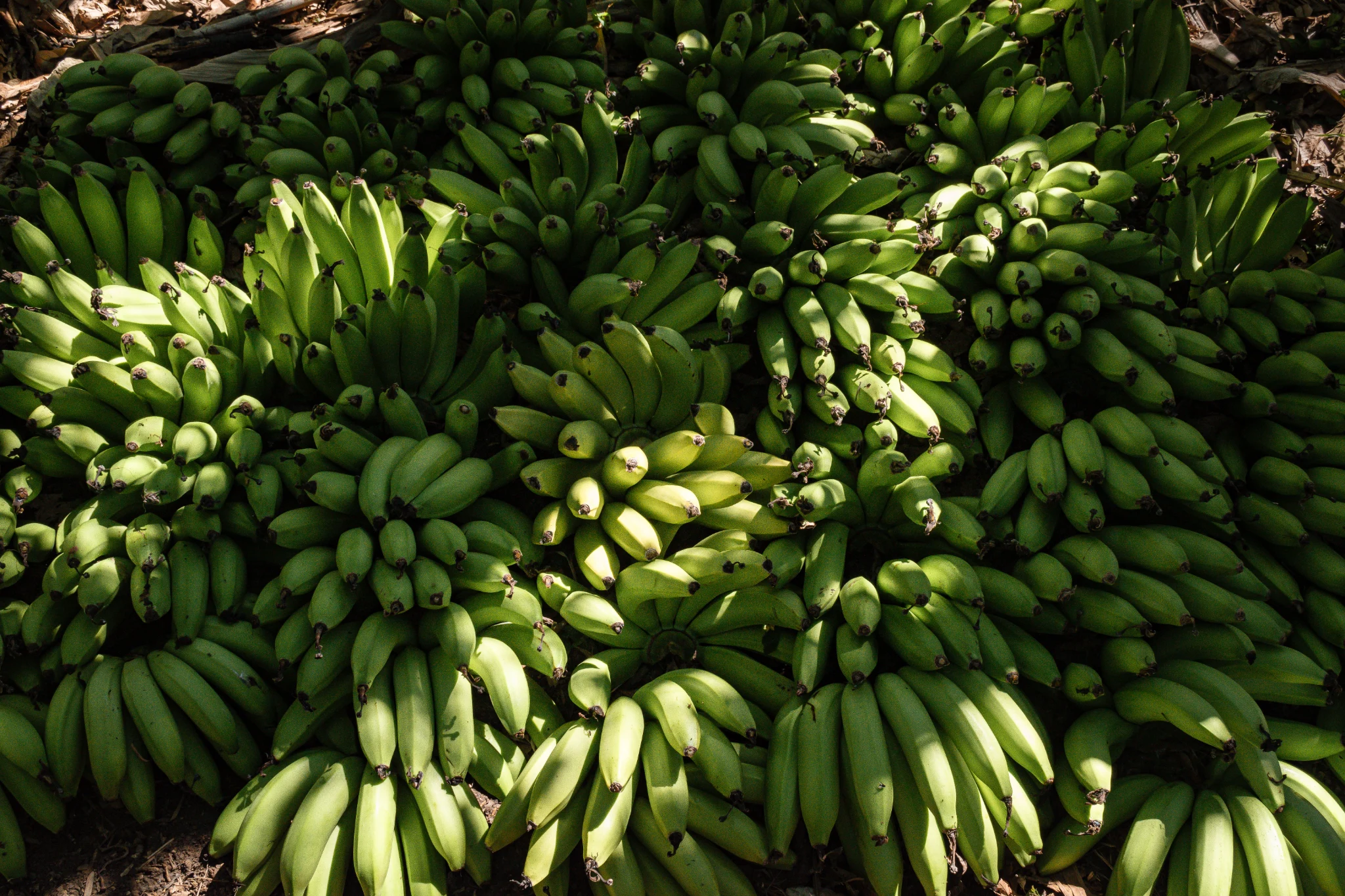
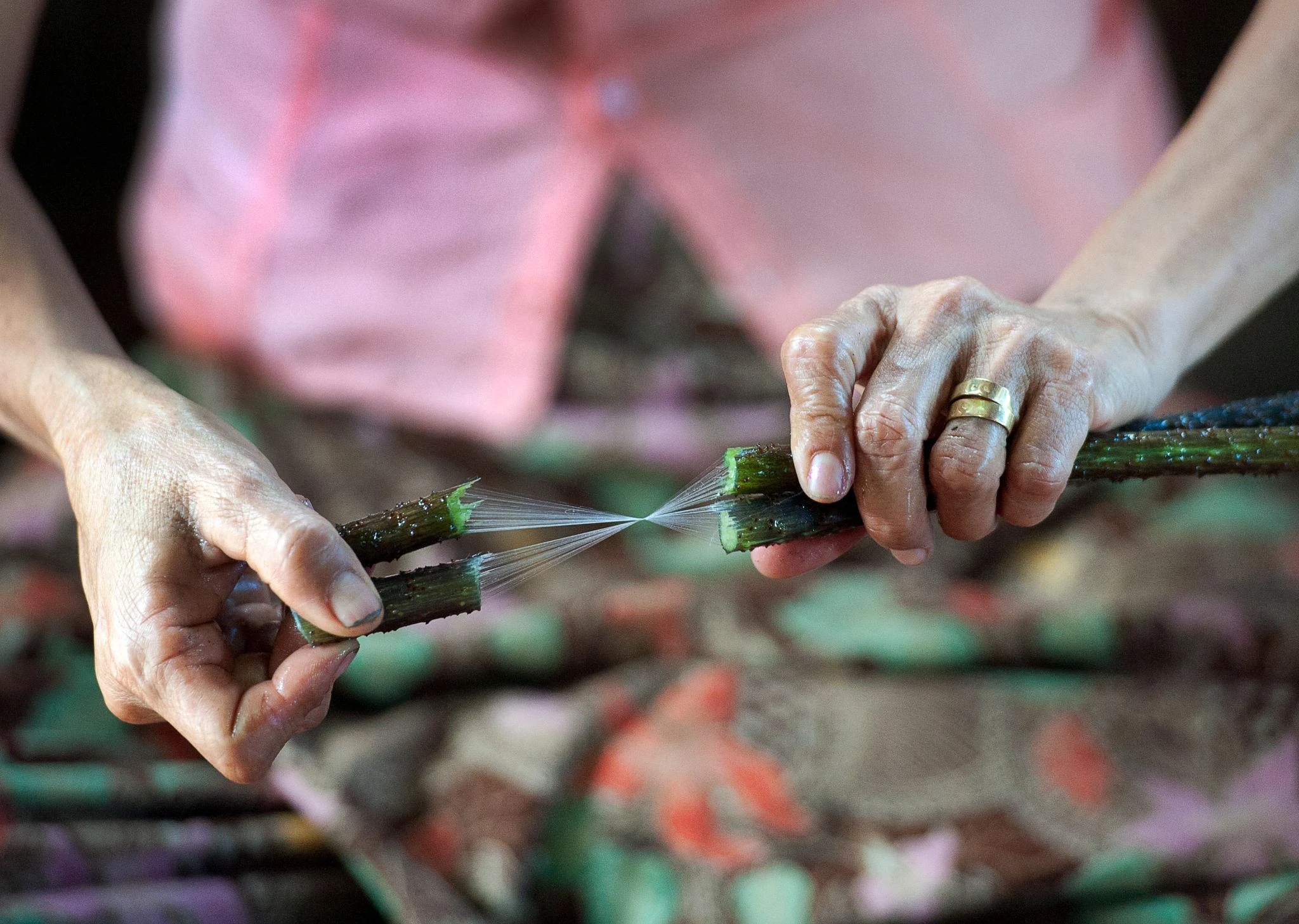
Somewhere in the space between novelty and genuine innovation sits a small but growing category of fabrics made from things that used to just be waste: lotus stem fiber, banana plant fiber, eucalyptus pulp, protein extracted from soybean processing byproducts. None of these are science fiction — they're being spun into actual, wearable fabric right now, in small but expanding production runs, largely aimed at the premium end of the sustainable fashion market.
The appeal is easy to understand. These fibers are, in most cases, byproducts of agricultural processes that were already happening — banana stalks left over after harvest, lotus stems from ponds already being farmed for food, soy waste from protein and oil production. Turning waste material into a usable textile is about as close to a genuinely "free" sustainability win as exists in this industry, because it isn't asking for new land, new water, or new crops. It's asking someone to stop throwing away something they were already producing.
The technical case for these fibers often goes beyond just "eco-friendly" marketing — several are genuinely noted for breathability and skin-friendliness that can outperform conventional synthetic blends, which matters in a market like India's where heat and humidity make fabric performance a real, everyday concern rather than an abstract preference.
The honest caveat is scale. Extracting usable fiber from lotus stems or banana stalks is a labor-intensive, still largely manual process, which keeps output low and prices high relative to cotton or polyester. That's not necessarily a permanent state — fiber extraction technology has improved for other materials over time — but right now, these fabrics sit firmly in premium and niche categories, worn by a small number of consumers willing to pay for the story as much as the fabric itself.
That's a fine place for an innovation to start, and probably an unavoidable one — most material innovations begin expensive and niche before manufacturing catches up. The real test for whether lotus and banana fiber become more than a sustainability talking point is whether extraction processes get efficient enough to bring the price down to something beyond a small, dedicated market. Until then, it's a genuinely interesting frontier — just not yet a mainstream one.