Why India's Biggest Couturiers Are Suddenly in the Jewellery Business
Sabyasachi and Manish Malhotra built empires on clothing. Now they're building on carats — and it's less about diversification than about who's actually paying.
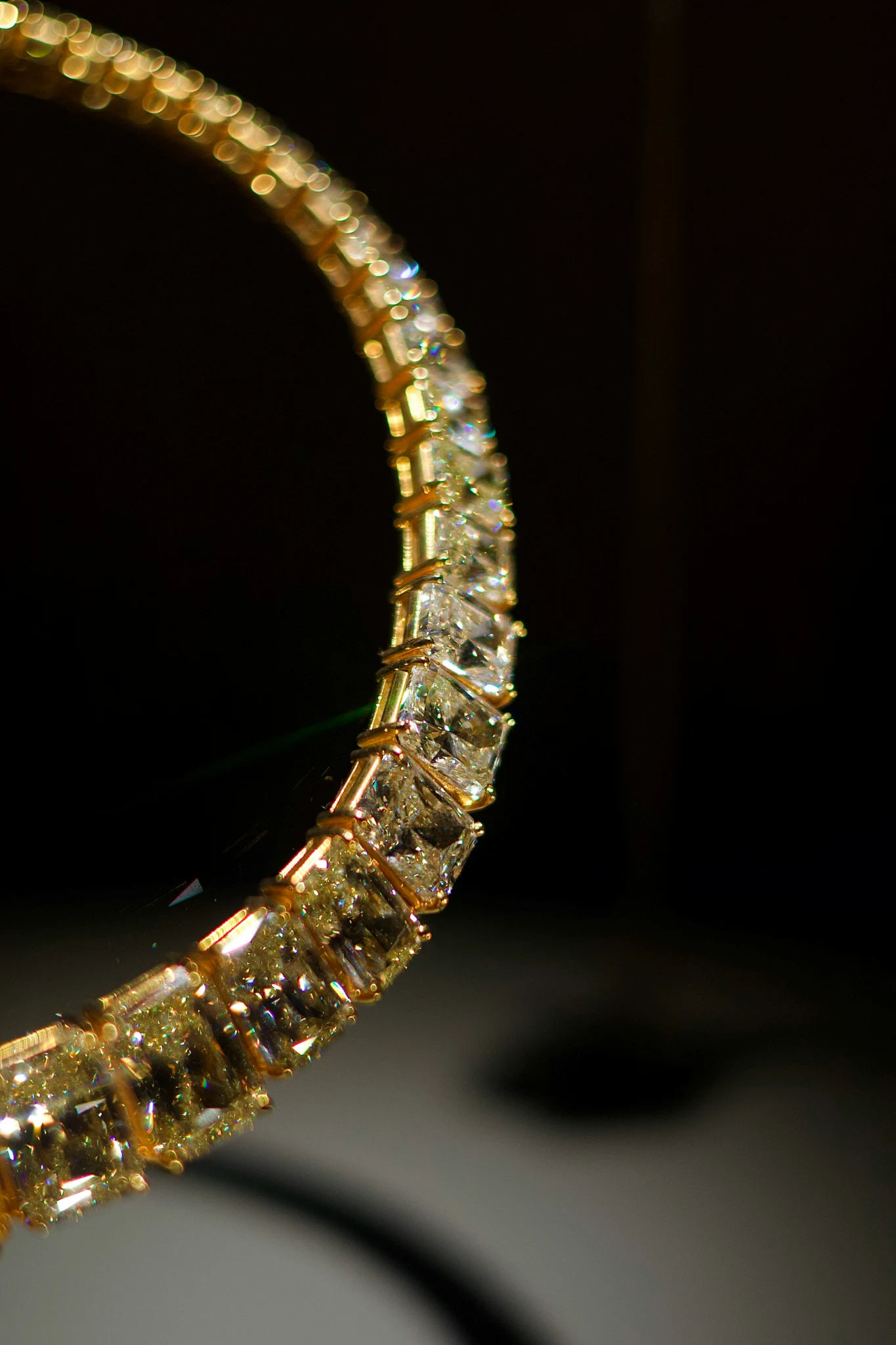
There's a pattern worth paying attention to when a country's biggest fashion names all make the same move within a short window of each other. Right now, that move is jewellery. India's top couture houses, having spent decades building reputations on embroidery and silhouette, are expanding hard into high jewellery — and it's not a side hustle, it's a strategic bet on where the real spending power sits.
The logic starts with the customer, not the product. Bridal couture has always had a ceiling — a woman buys one, maybe two, extraordinary lehengas in her lifetime that hit that price point. Jewellery doesn't have that ceiling. It's collected, gifted, worn across a decade of weddings and anniversaries, and increasingly, purchased by women for themselves rather than waiting for an occasion or a partner to gift it. That last shift — self-purchasing women treating fine jewellery as an investment category, not just an adornment — is the real story here, and couture houses have clearly done the math on it.
There's also a design-language argument that's harder to dismiss as pure business strategy. A designer known for a specific aesthetic — Sabyasachi's maximalist heritage sensibility, Manish Malhotra's polished glamour — already has a visual vocabulary customers recognize instantly. Extending that vocabulary onto a ring or a necklace isn't really a new creative act; it's applying an existing brand language to a new material. The design work is arguably easier than launching an unrelated product category would be. The audience already trusts the taste.
What makes this moment specifically interesting rather than just "designer does jewellery," which has happened before, is the scale of ambition. This isn't a capsule collection dropped once and forgotten. It reads more like a genuine second business line, with production, retail, and marketing built out to match the clothing arm. That requires capital, sourcing relationships, and a level of operational complexity that's meaningfully different from running an atelier.
The risk, of course, is dilution. Fashion history is full of designer names that stretched into fragrance, home goods, or accessories and thinned out what the name originally stood for. Jewellery is a more disciplined bet than most — it's still fundamentally about craftsmanship and detail, the same currency these designers already trade in. But the houses that get this right will be the ones that treat jewellery as a full creative discipline, not a licensing exercise with a designer's name stamped on it. The ones that get it wrong will find out that carats don't forgive a rushed collection the way a fabric swatch might.