The Real Story of Indian Fashion's Growth Isn't Luxury — It's Fast Fashion
Everyone's watching the couture headlines, but the numbers say the industry's real growth engine is the ₹500 kurta, not the ₹5 lakh lehenga.
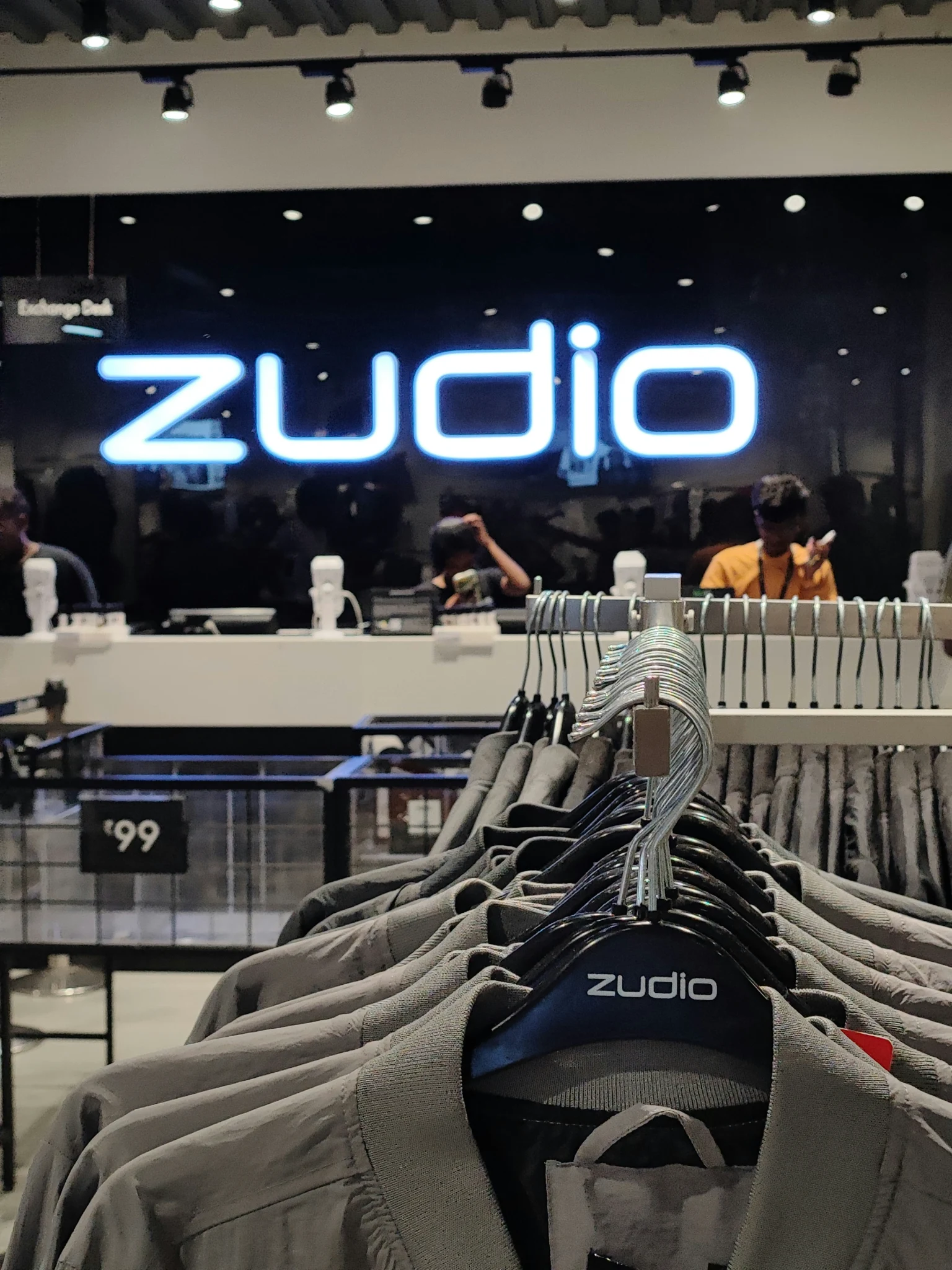
It's easy to mistake the loudest part of an industry for the biggest part of it. In Indian fashion, the loudest part is couture week, celebrity campaigns, and designer flagship openings. The biggest part, by a wide margin, is mass-market fast fashion — and the gap between those two realities is only widening.
The organised apparel retail sector is projected to grow at a healthy clip this fiscal year, and the driver behind that growth isn't premium wear. It's the mass-market segment, which now accounts for a clear majority of total sales — up meaningfully from pre-pandemic levels. Translation: more of India's fashion spending is going toward inexpensive, trend-responsive clothing than toward anything resembling luxury, and that gap has been growing for years, not shrinking.
This matters for how the industry should actually be read. A normal monsoon, easing inflation, and an approaching festive-and-wedding season are all tailwinds — but they're tailwinds primarily for affordable fashion, because that's where the volume sits. Wedding season does lift premium categories too, but the base of the pyramid is what's actually moving the aggregate growth number, and it's moving because fast fashion has gotten faster and cheaper at replicating runway ideas within weeks rather than seasons.
There's a tension worth naming here. The same industry commentary pushing brands toward sustainability and ethical, small-batch production is describing a market where the dominant growth story is exactly the opposite model — high-volume, quick-turnaround, price-led retail. Both trends are real and happening at the same time, serving different customers with different values, which is precisely why treating "the fashion industry" as one coherent market is increasingly misleading. There's a sustainability-conscious premium buyer and a value-conscious mass buyer, and they are not converging — if anything, they're pulling further apart.
For brands and investors trying to figure out where to place bets, the uncomfortable takeaway is that the more Instagram-friendly story — craftsmanship, heritage, sustainability — is not where the bulk of the revenue actually is. It's an important and growing niche. But anyone building a fashion business in India purely on the assumption that consumers are trading up toward premium, conscious consumption is reading the sentiment, not the sales data.