The Monsoon Diaries: Why India's Cultural Capitals Come Alive When It Rains
Forget the traffic and the ruined shoes — monsoon has quietly become the busiest, most interesting stretch of the cultural calendar in Mumbai and Delhi.
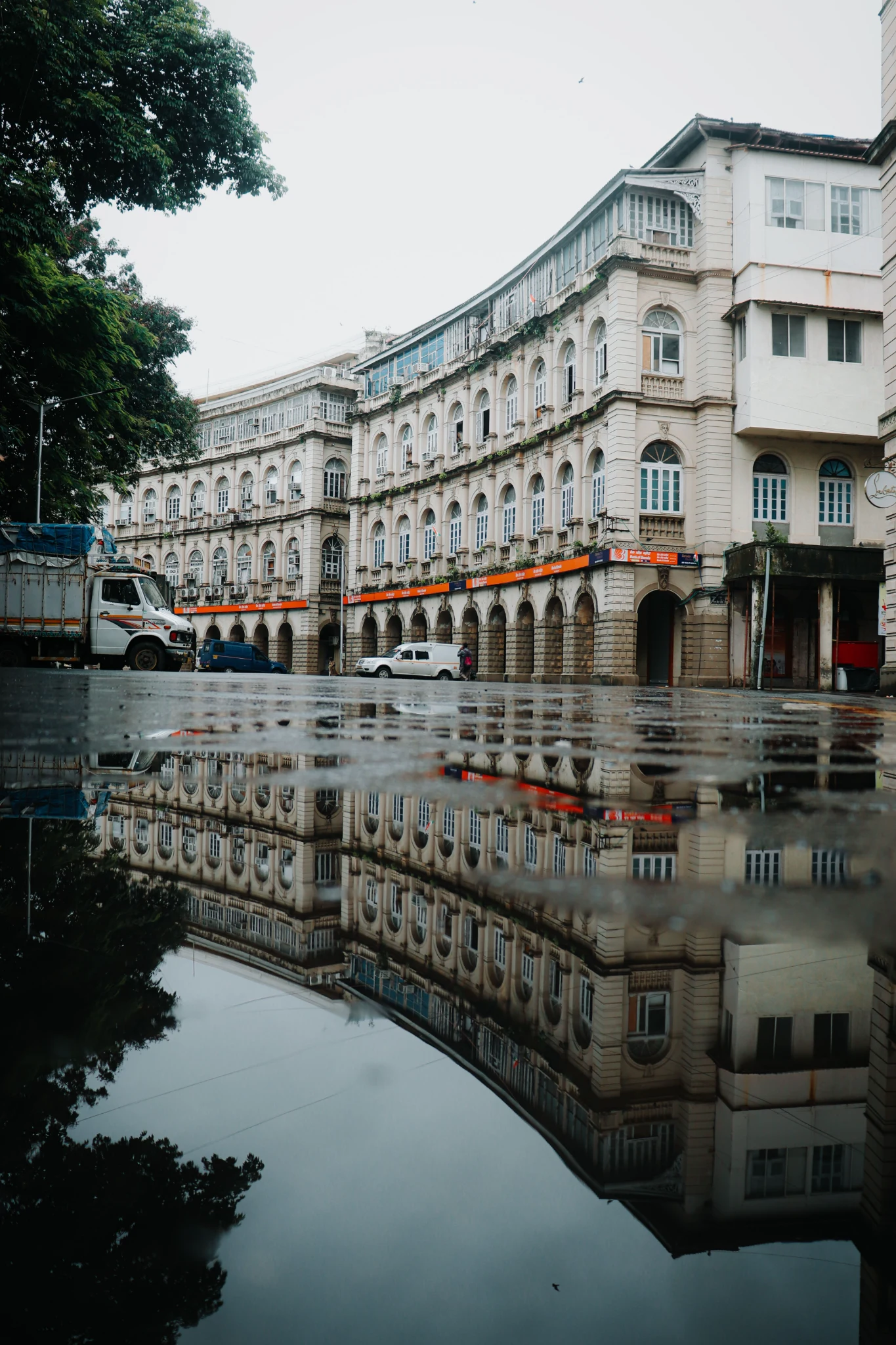
There's an old assumption that monsoon empties out a city's social calendar. The roads flood, the humidity wins, and everyone retreats indoors until October. Nobody told Mumbai and Delhi's gallery owners, curators, and concert promoters that memo, because this July, both cities are running some of their busiest cultural programming of the year.
Part of it is practical — indoor venues make sense when it's pouring outside, and immersive experiences, candlelit concerts, and gallery walkthroughs are, by design, weatherproof. But part of it is something more interesting: monsoon has a mood, and Indian cultural institutions have started building around it rather than against it. There's a reason certain exhibitions this season lean into themes of memory, impermanence, and the fleeting nature of everyday life — that's monsoon's emotional register, and curators know it.
Contemporary galleries across both cities are using the season to spotlight emerging artists alongside established names, often in shows that ask visitors to sit with a feeling rather than admire a technique. It's a shift from spectacle to intimacy — smaller rooms, longer captions, more silence between pieces. That's not accidental either. Monsoon slows people down. You're not rushing between a beach day and a dinner reservation; you're ducking in from the rain with nowhere else to be, and galleries have started designing for that unhurried attention span.
Live music has adapted too. Candlelit concert formats — string quartets reworking pop catalogues, acoustic sets stripped of the usual arena production — have found a natural home in monsoon programming. There's something about low light and rain on a window that makes an acoustic cover of a song you've heard a hundred times suddenly land differently.
The bigger story here is what it says about how India's cultural economy is maturing. A few years ago, "cultural calendar" mostly meant a handful of marquee festivals scheduled around good weather. Now there's a real appetite for programming that responds to the actual rhythm of the year — including the four months everyone used to write off. Monsoon isn't a gap in the culture calendar anymore. It might be its most honest season.