The Loom Is Back: How Handwoven Textiles Became Gen Z's Favorite Status Symbol
Ikat, jamdani, and khadi used to be reserved for weddings and heirloom drawers. Now they're showing up in everyday streetwear — and it says something about what culture is craving right now.
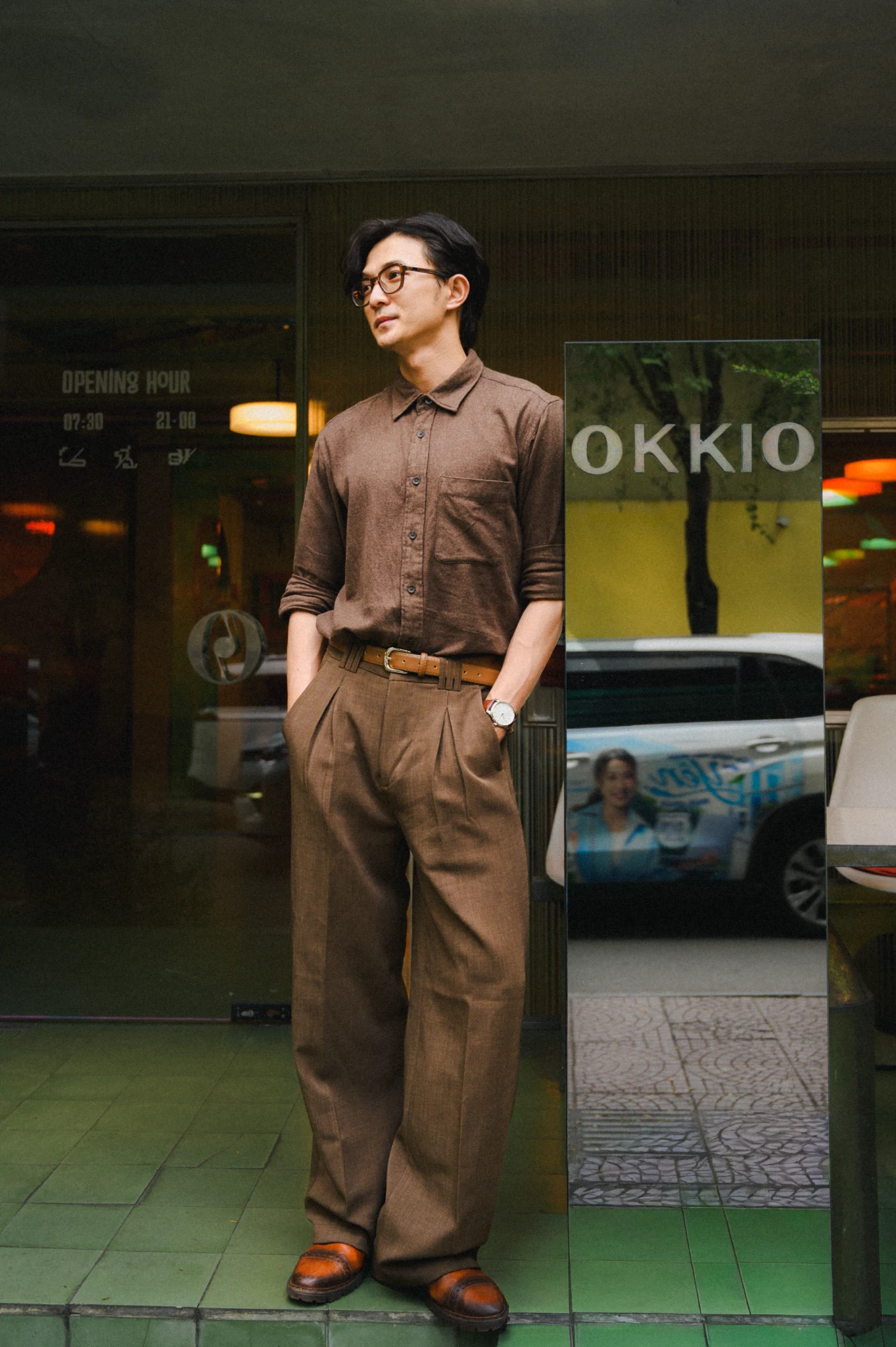
There's a particular kind of irony in watching a twenty-two-year-old style a handwoven khadi shirt with sneakers and call it "effortless." A generation ago, that same fabric would have been folded carefully in a steel almirah, brought out for festivals, treated with a formality that made it feel more like inheritance than clothing. Somewhere in the last few years, that formality dissolved, and heritage textiles walked straight into everyday wardrobes.
This isn't simply a fashion cycle rediscovering "ethnic wear," though that's the easy read. What's actually happening is more specific: handloom textiles are being treated as design objects in their own right, separated from the occasion-wear category they'd been boxed into for decades. A jamdani dupatta isn't automatically paired with a wedding lehenga anymore — it's just as likely draped over jeans and an oversized shirt, worn the way a scarf or jacket would be. The textile has been unbundled from the outfit it used to belong to.
Part of what's driving this is a broader fatigue with fast fashion's sameness. When everyone's wardrobe is drawing from the same handful of global supply chains, a hand-dyed ikat piece with visible irregularities in the weave reads as genuinely distinctive — not despite its imperfections, but because of them. There's a market logic here too: in a landscape saturated with mass production, "made by one weaver, on one loom, over several days" has become a legitimate luxury claim, arguably more credible than a logo.
There's also a generational relationship to heritage that's less reverent and more curious. Younger buyers aren't necessarily drawn to handloom out of cultural obligation — many are encountering these techniques for the first time through design-forward labels and social media, not family tradition. That's a double-edged shift. It's genuinely expanding the market for weaver communities that have struggled for decades against cheaper power-loom imitations. But it also means the story of the textile — which region, which technique, whose hands made it — is at real risk of getting flattened into "boho aesthetic" if brands don't do the work of telling it properly.
The weavers themselves seem cautiously optimistic rather than nostalgic about any of this. Demand is demand, and after years of watching handloom get undercut by machine-made copies, a market that actually wants the real, slower, more expensive version is not something to take for granted. Whether the moment turns into lasting infrastructure for these communities — or just another trend cycle that moves on by next season — depends entirely on what the industry does with the attention while it's here.