The Handloom Sector Runs on Women. The Recognition Hasn't Caught Up.
Seventy-one percent of India's handloom weavers are women. So why does the industry's public face still skew so male?
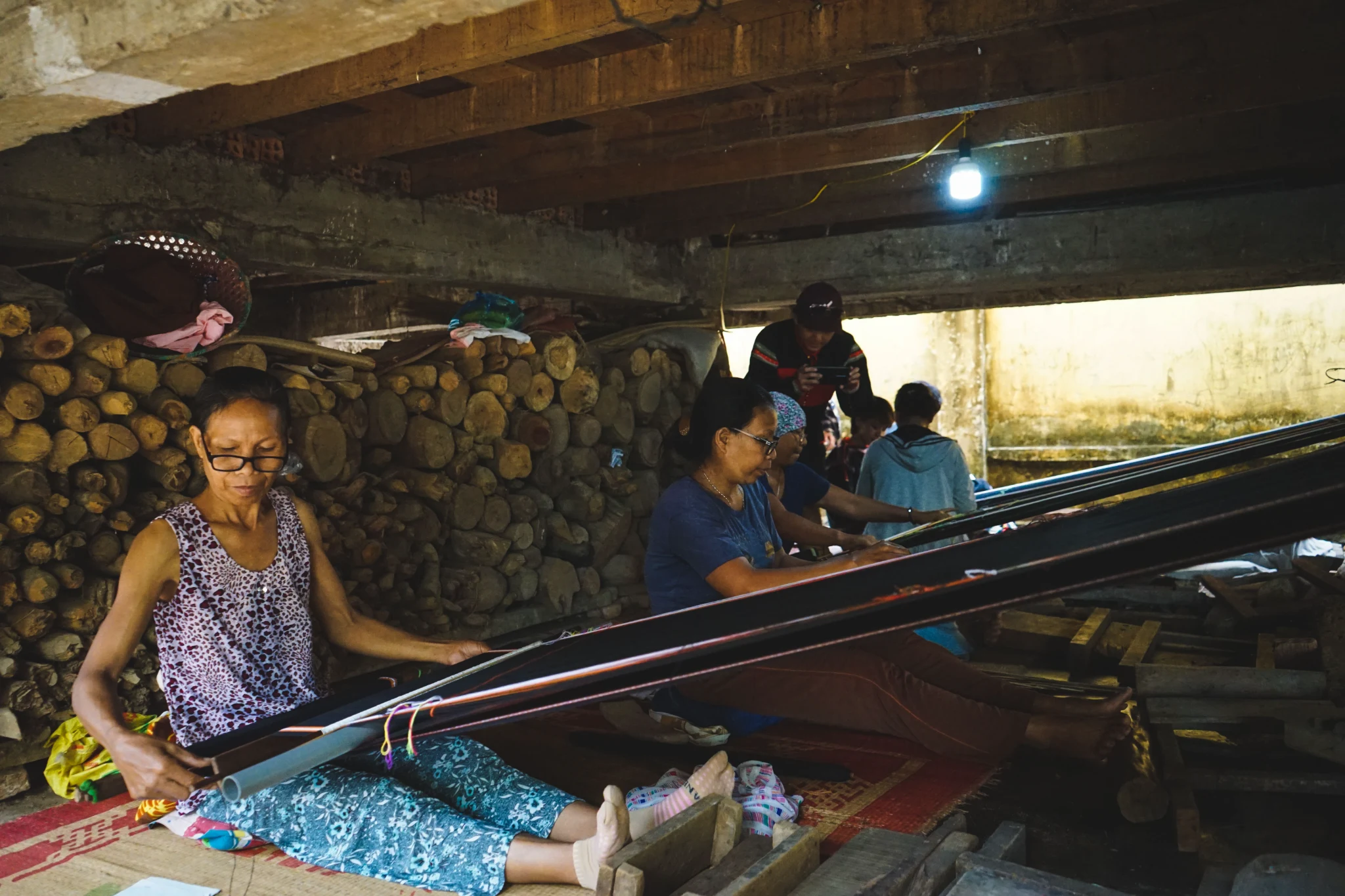
Some statistics are quietly more radical than they first appear. Women make up 71 percent of India's handloom weavers and 64 percent of the country's total handicraft artisans overall — meaning the single largest source of rural women's economic participation in India isn't a government scheme or a corporate initiative. It's a loom.
That number deserves more attention than it typically gets, because the public narrative around Indian craft still tends to center on individual master craftsmen — usually men, usually older, usually the subject of the documentary or the awards ceremony. The workforce underneath that narrative tells a different story: it's women, overwhelmingly, doing the actual weaving, and doing it as their primary or sole source of income, often in households where that income is the difference between stability and precarity.
This isn't a new development so much as an old fact that's finally getting quantified properly. Handloom work has historically fit around domestic labor in a way factory work doesn't — it can happen at home, around childcare and household responsibilities, on a schedule a woman controls more than a shift job would allow. That flexibility made it accessible to women in ways formal employment often wasn't. It also, less positively, made it easy for the broader economy to undervalue — home-based, informal, "supplementary" work has always been priced lower than the same skill would command in a factory or a studio.
The financial-independence framing that increasingly comes up around craft policy — artisans, and specifically craftswomen, being encouraged to think about their work as a business rather than a subsistence activity — is a genuinely significant shift if it holds. Moving from "here's your day's wage" to "here's how you price a collection, brand a product, and reach a customer directly" changes the entire power dynamic of who captures the value in a handwoven piece. Right now, a huge share of that value still gets captured by middlemen between the weaver and the retail shelf, and closing that gap disproportionately benefits women, because women disproportionately are the weavers.
The test for whether any of this amounts to more than a good statistic is simple: does the money follow the labor? A craft economy that's 64 to 71 percent female in its workforce and still routes most of its profit through male-dominated trading and export networks hasn't actually caught up to what its own numbers are telling it.