Lights, Camera, Algorithm, Is AI Quietly Rewriting the Soul of Indian Cinema?
A new wave of filmmakers is folding AI into everything from scriptwriting to VFX. The results are impressive. The questions they raise about authorship are messier.
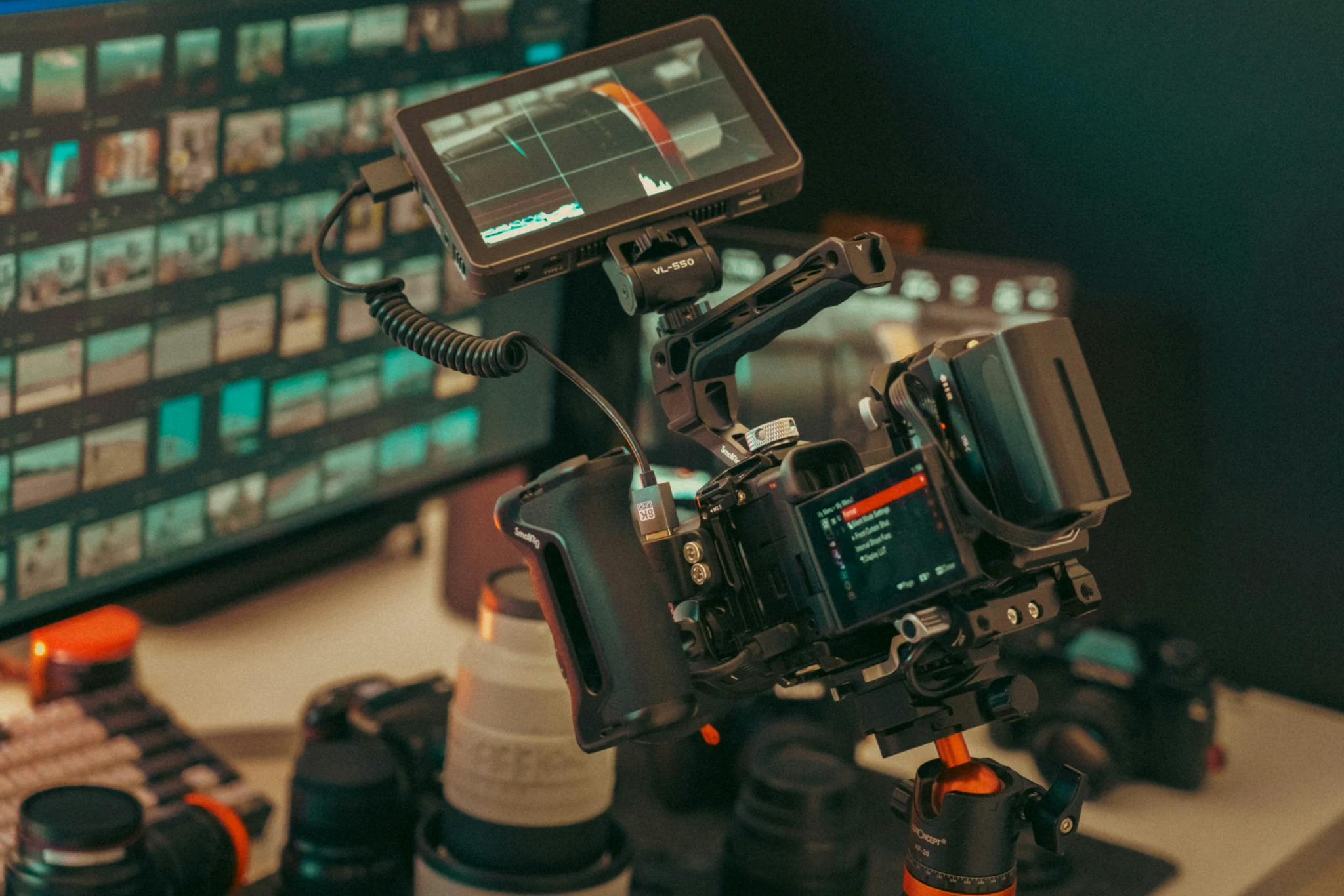
Somewhere between a script meeting and a server rack, Indian cinema is having a quiet identity crisis. At a recent showcase in London dedicated entirely to Indian films made with AI as part of the creative process, directors didn't talk about robots taking over sets. They talked about something subtler — AI as a collaborator that shows up in the writers' room, in the edit bay, in previsualization, long before a single frame is shot.
That distinction matters. For years, the conversation around AI and film was really a conversation about VFX budgets — how a mid-size production could suddenly afford spectacle it couldn't otherwise justify. What's changed is that AI has moved upstream. It's shaping story structure, generating alternate cuts, even suggesting dialogue rhythms. A director can now test three different endings before a single actor is cast. That's not a gimmick. That's a fundamentally different way of building a film.
The optimists argue this democratizes filmmaking in a country where budget has always dictated ambition. A small regional production, working with a fraction of a studio's resources, can now visualize a battle sequence or a period set with a fidelity that would have required a co-production deal a decade ago. For independent filmmakers outside the Mumbai-Chennai axis, that's not a convenience — it's access.
But there's a discomfort sitting underneath the enthusiasm, and it's not really about jobs, though that fear is real too. It's about attribution. When a machine helps generate twelve versions of a monologue and the director picks the one that lands, who wrote the scene? Indian film has always had a strong auteur culture — the idea that a film carries the fingerprints of one vision. AI-assisted filmmaking complicates that story, quietly, without anyone quite agreeing on new rules yet.
What's notable is that this isn't a Bollywood-first conversation. Some of the most interesting experiments are happening in smaller regional industries, where the stakes of getting it wrong are lower and the incentive to experiment is higher. That's usually where Indian cinema's real innovation has come from anyway — not from the center, but from the edges pushing in.
The honest answer is that nobody knows yet whether AI in filmmaking will be remembered as a tool, like the steadicam or nonlinear editing, or as something that changes what "directed by" means. Right now it's both, and the industry is figuring out which one it wants it to be while the cameras keep rolling.