India Just Cut Handicraft GST From 18% to 5%. Here's What That Actually Changes.
A tax rate cut doesn't sound like craft news. For artisans competing against machine-made knockoffs, it might be the most consequential policy shift in years.

Tax policy rarely makes it into conversations about craft and heritage, and that's usually a mistake, because tax policy is often the thing quietly deciding whether a handmade product can compete at all. India's recent reduction of GST on handicrafts from 18 percent to 5 percent is exactly that kind of unglamorous, high-impact change.
To understand why it matters, you have to understand what handmade goods were actually competing against. A machine-made imitation of a handwoven textile or a cast version of a hand-worked metal piece costs a fraction to produce, and under the old tax structure, both the genuine handcrafted item and its factory-made copy were often taxed at similar rates — which meant the price gap between "real" and "fake" was determined almost entirely by production cost, with tax doing nothing to level that field. A lower tax rate specifically on handicrafts changes that math directly, narrowing the price gap between the artisan-made original and its cheaper industrial substitute at the point of sale, where the customer actually makes the decision.
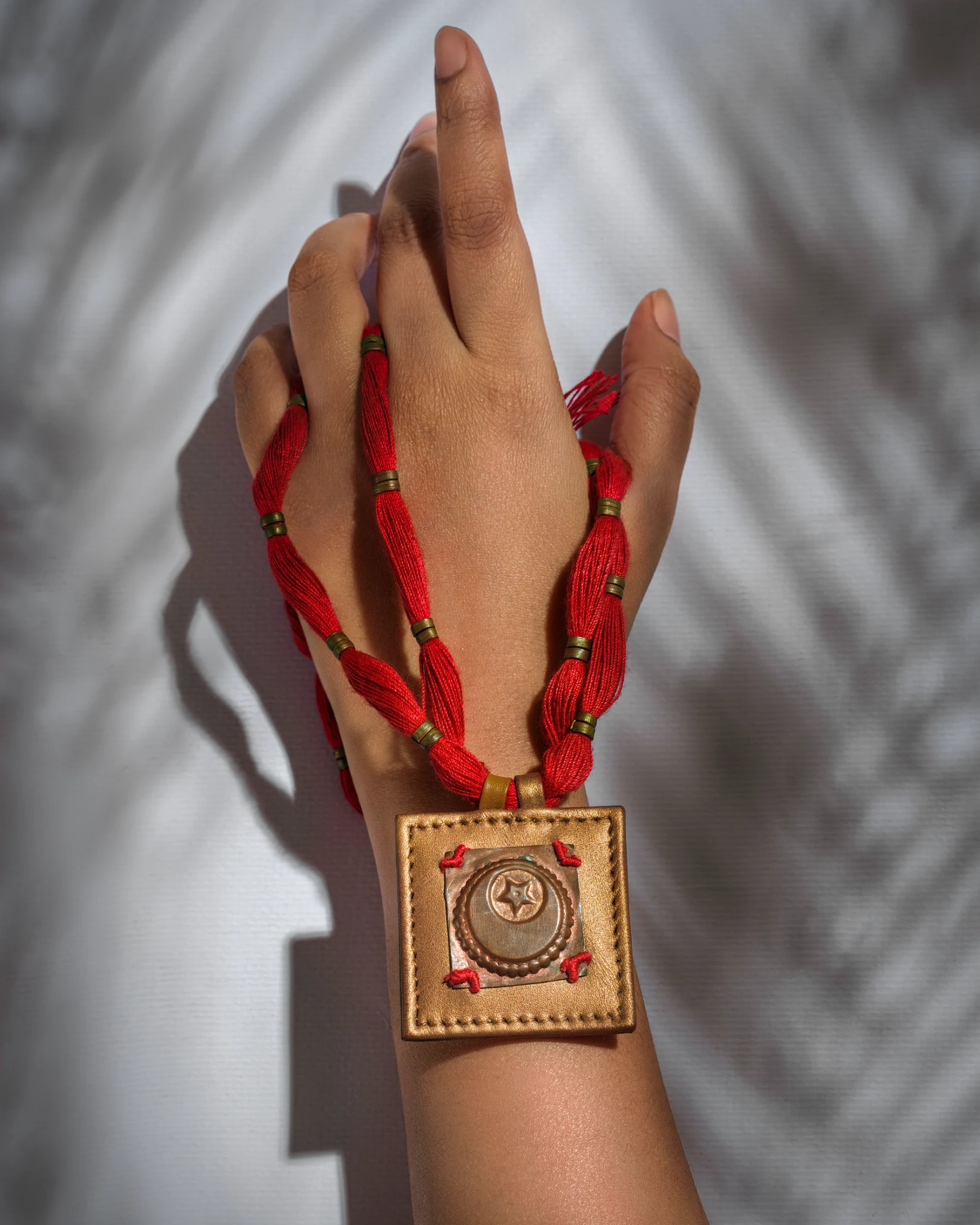
The government has paired this with an explicit, fairly aggressive export target — one lakh crore rupees in handicraft exports by 2031-32. That's not a modest aspiration; it implies a significant multi-year acceleration from current export levels, which sat at roughly 33,000 crore rupees in the last fiscal year. Getting from there to the target requires more than a friendlier domestic tax rate — it requires export infrastructure, buyer relationships, and logistics that individual artisan clusters have historically struggled to access on their own. The tax cut is one input into a much bigger equation, not the whole answer.
There's a reasonable skepticism to hold here too. GST reductions help most directly at the point of formal, registered sale — and a meaningful share of India's handicraft economy still moves through informal channels that don't necessarily benefit from a formal tax change the same way a GST-registered exporter would. Policy designed at the national level doesn't always reach the artisan working through a local aggregator with no formal registration at all.
Still, a nine-point-plus tax cut isn't nothing, and for a sector where margins on individual handmade pieces are often thin to begin with, it's the kind of structural change that can shift genuinely close competitive calls — a boutique deciding between a certified handloom piece and a cheaper synthetic-blend alternative — in the artisan's favor. Craft survives on exactly these kinds of narrow, unglamorous margins. This is a policy engineered to make that margin slightly less narrow.